


















































 SuiteCommerce
SuiteCommerce out of the box runs a store.Wired up properly, it runs the business.
Extensions, search, content and the wiring into NetSuite, on the platform your catalogue, pricing and orders already live in.
What it looks like
Design is where the conversation starts
It is not what we sell, and the two get confused often enough to blow up a budget.





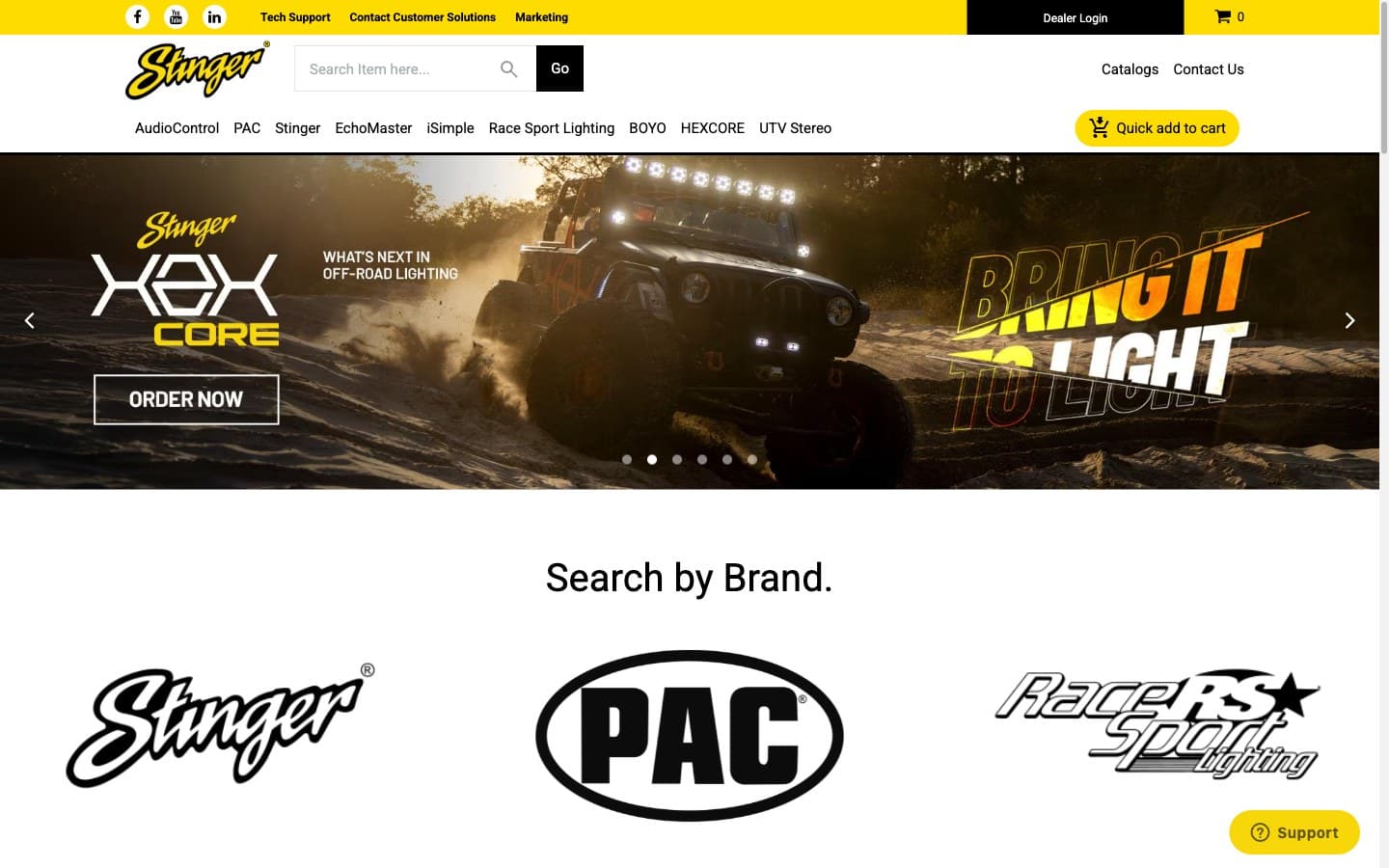
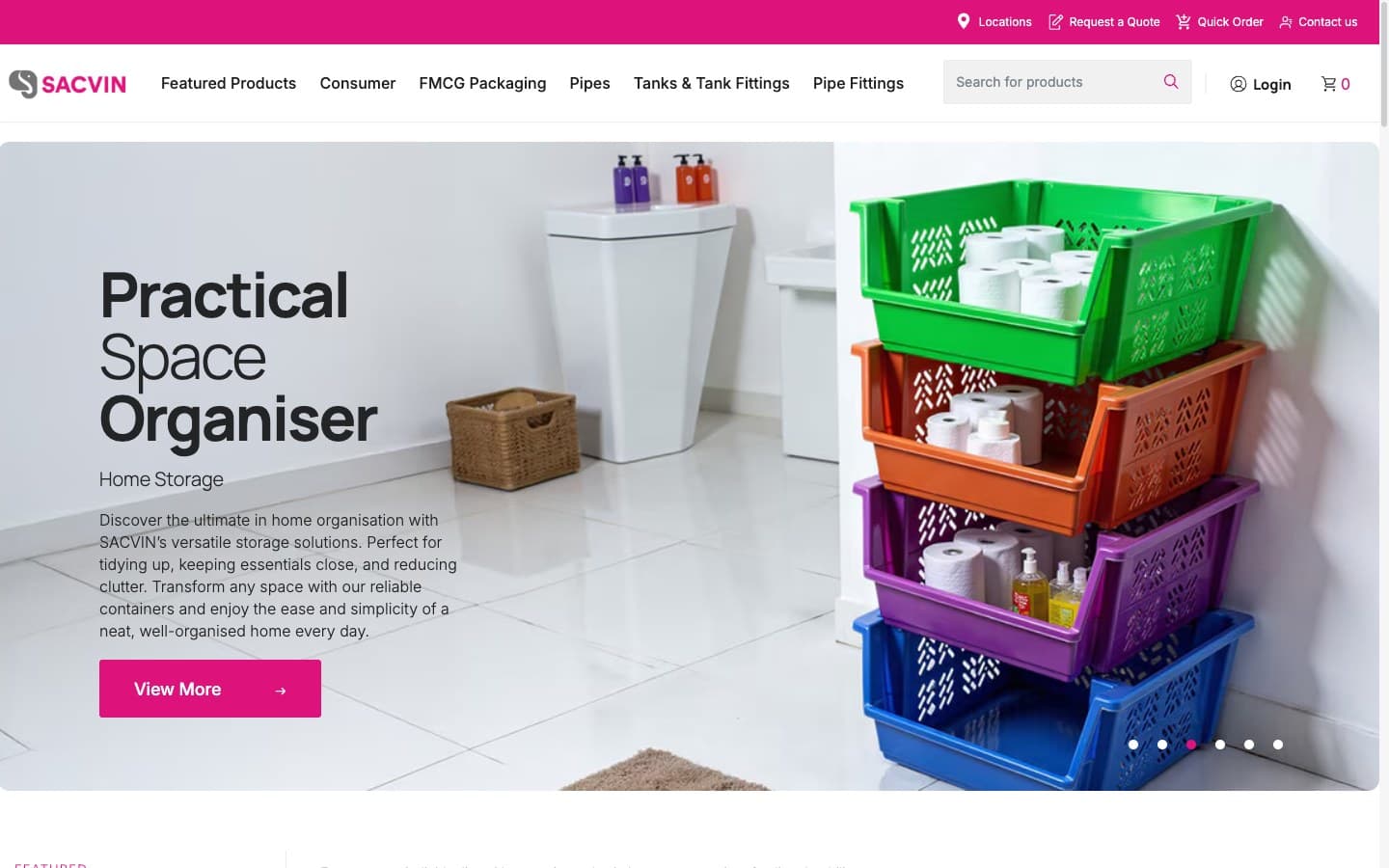
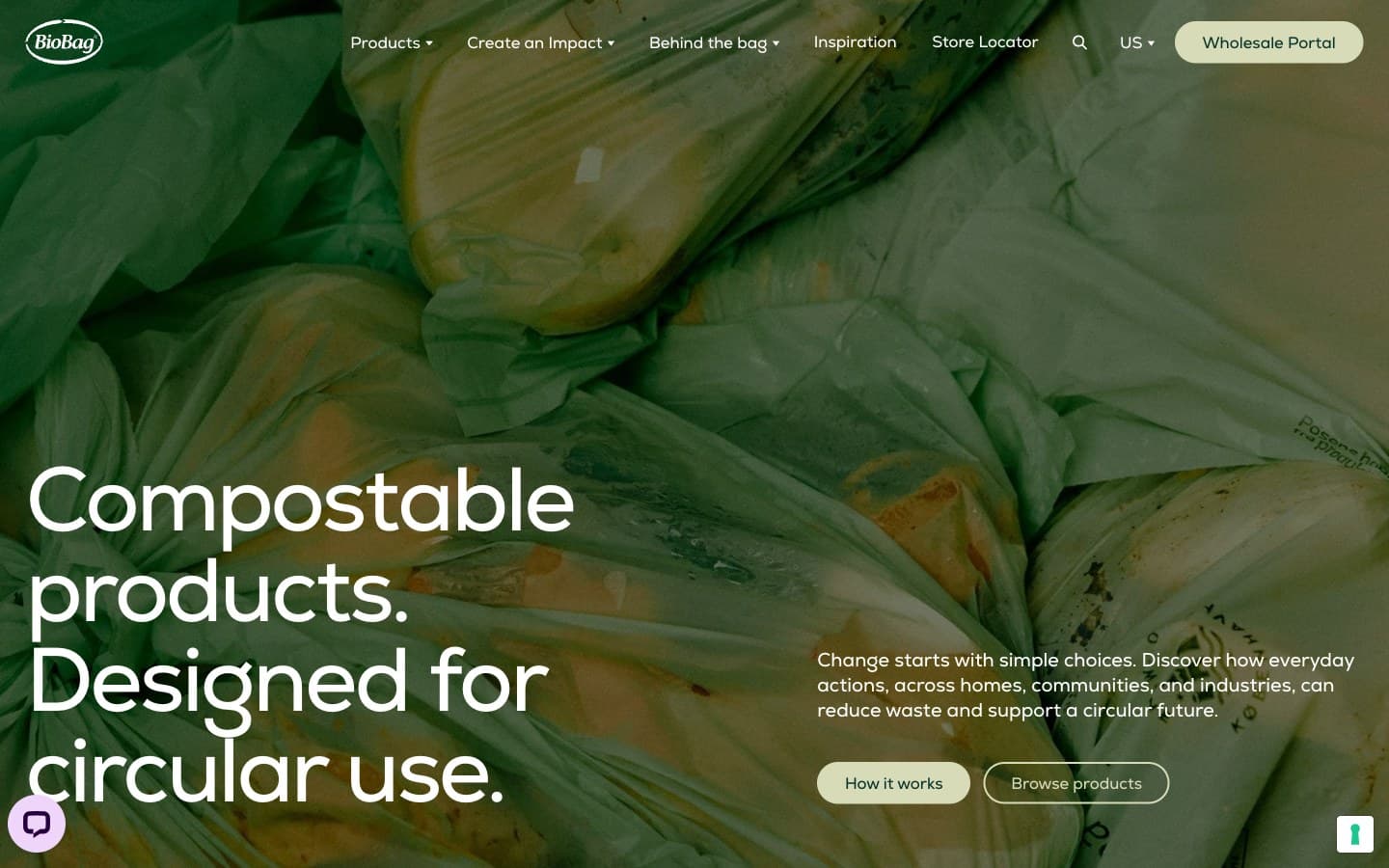
- Brand system first
- Type, colour, spacing and component rules written down, so the fifth page looks like the first without anyone re-deciding.
- Designed against SuiteCommerce
- To the component model, not to a blank canvas. A design drawn without it pushes the build into customising against the core, which is the expensive place to end up.
- Variants in hours
- We generate directions fast and put several in front of you early, so you decide sooner.
- The set, not the page
- PDP, PLP, cart and checkout designed together. Most abandoned redesigns are a beautiful homepage attached to an untouched checkout.
- Then the theme, actually built
- The official theme with your brand applied, a custom theme, or a front end built from scratch. Which one your catalogue justifies is a budget conversation, and we will say which.
How fast it is
A slow product page costs you on every visit
Not only on the slow ones. On a large NetSuite catalogue it is usually the cheapest thing to fix.

- Core Web Vitals as a target
- LCP, INP and CLS agreed as numbers before work starts, measured on your real catalogue rather than a demo account.
- Bundling and cache headers
- Most SuiteCommerce sites ship every extension on every page. Splitting that is unglamorous and it is usually the biggest single win.
- The image pipeline
- Correct formats and sizes off the item record, with lazy loading below the fold, so the first screen is not paying for the last one.
- A third-party script budget
- Every tag the marketing team adds costs milliseconds. A budget makes that a decision instead of a surprise.
- Search that survives the catalogue
- Faceted search on 5,000+ SKUs is where SuiteCommerce sites fall over. It is an architecture problem, not a plugin problem.
What it can do
Customisations sit beside the core, or tangled into it
The difference shows up at the next NetSuite release, not on launch day.


| Name | Type | Vendor | Version | Update |
|---|---|---|---|---|
SuiteCommerce Base Theme | Theme | SuiteCommerce | 23.2.3 | 24.2.10 |
Yello! An SEO-ready blog with product linking, running on the storefront rather than beside it. | Extension | BrokenRubik | 1.0.37 | Current |
Faceted Navigation Filter and refine on item fields, driven from the item record. | Extension | SuiteCommerce | 23.2.1 | Current |
Contract PricingExample An example of the shape a build for you takes: price levels resolved against NetSuite at request time, shipped as an extension so the theme keeps taking its own updates. | Extension | Your account | 1.0.0 | Current |
- The supported extensibility framework
- Themes and extensions are both part of it. Used the way the framework intends, they keep customisations separated from the core, which makes a future update something you schedule rather than survive.
- SuiteScript where it belongs
- Pricing and availability logic living in NetSuite, not duplicated in the front end where it quietly drifts out of agreement.
- Custom records driving content
- Merchandising your team controls from NetSuite, without a deployment for every change.
- B2B behaviour
- Contract pricing, approval flows, quick order and account hierarchies. The things that make a B2B storefront different from a nicer B2C one.
Whether it gets found
Most of your SEO is decided at implementation
The platform hands you the controls: what gets indexed, what each page points its canonical at, where titles come from, what the sitemap contains. Setting them is a build decision, and far cheaper then than a year later.


If your store is already live, we audit it against the same list and send you what we found.
/shop/winter-jackets.html301/collections/winter-jackets/product/1042-ridge-shell301/products/ridge-shell/index.php?cat=17&sort=1301/collections/gloves/blog/post?id=88301/blog/layering-for-cold-rides
Illustrative. Shaped like a real migration, not taken from one.
Faceted URLs and canonicals
Three filters with ten values each is a thousand crawlable URLs holding near-identical content. Which combinations may be indexed is a decision, not a default.
Meta off the item record
Titles and descriptions generated from NetSuite fields, so they stay true as the catalogue changes and nobody has to maintain a second copy.
Rendered for crawlers, and verified
SuiteCommerce serves pre-rendered HTML. Whether it is actually doing so on your templates is worth checking, and it now decides whether AI answers can cite you at all.
Sitemap and redirects from the catalogue
Generated from NetSuite so a discontinued item leaves the sitemap when it leaves the catalogue, with a 301 map shipped before any URL moves.
Who can change it
Either marketing can publish, or the site stops changing
There is no third outcome, and the second one is how storefronts get old.


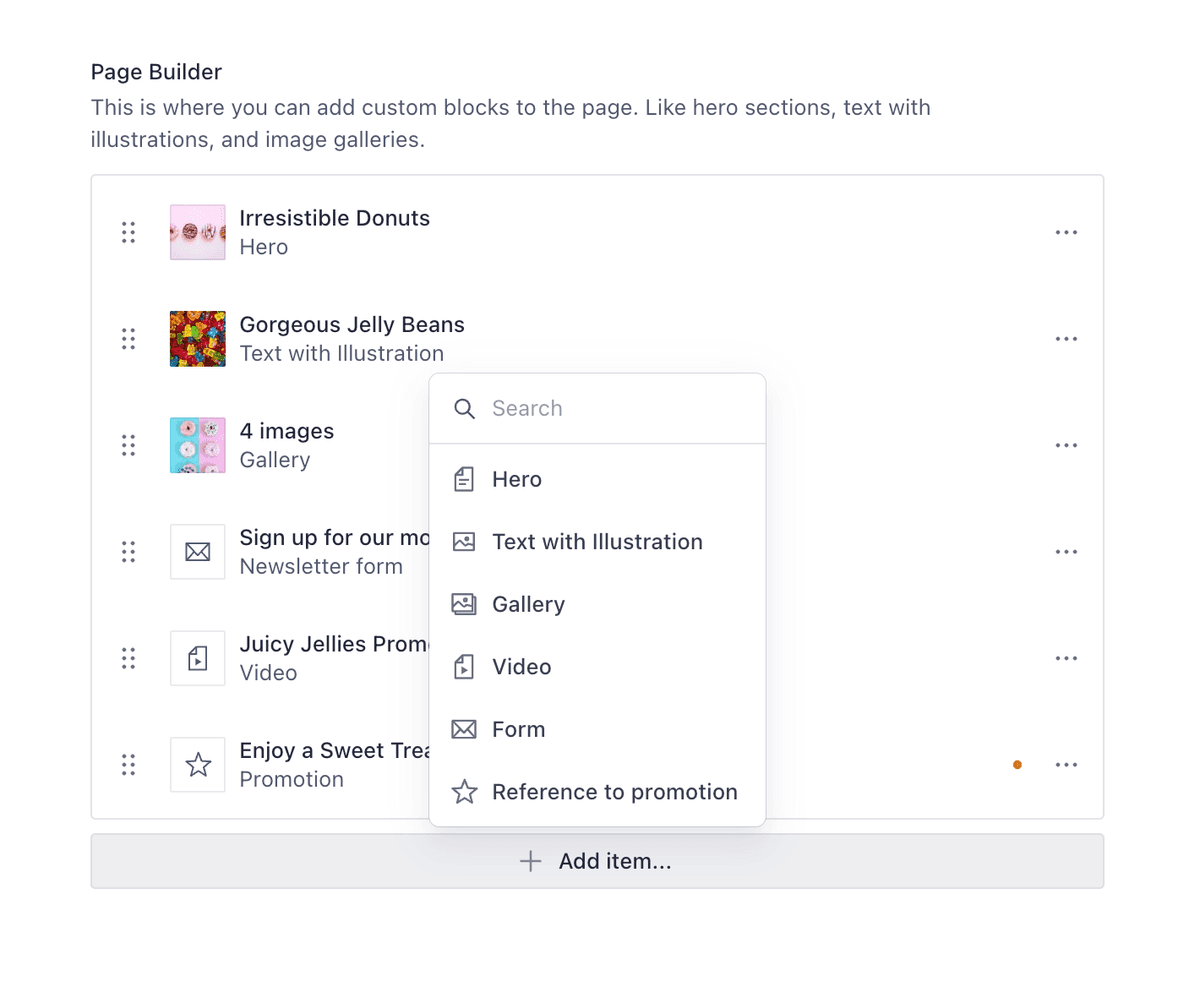
- Sanity as the content layer
- Landing pages, campaigns and editorial built from blocks your team arranges, while products keep coming from NetSuite.
- Live preview
- Editors see the real page as they write it, which is the difference between a CMS people use and one they route around.
- One source per kind of thing
- Product data in NetSuite, content in Sanity, and a clear line between them. Blurring it is what produces two prices for one item.
- It outlives the storefront
- The content layer is not tied to SuiteCommerce. Replatform later and it comes with you.

Whether it worked
A new page is a hypothesis
You should be able to see whether it held, and watch the twelve people who abandoned the cart do it.

Largest drop at added to cart
8,570 session replaysSample data, for illustration.
Session replay
Watch the actual abandonment. It ends arguments about the checkout faster than any amount of analysis.
Funnels on real steps
Instrumented against your checkout, not a default ecommerce template that half-matches it.
A/B tests that finish
Sized before they start, so the result is a decision instead of a debate about significance.
Bots separated out
Ecommerce traffic is full of them. Unseparated, they will tell you a redesign worked when it did not. We learned this on our own site.
Proof
Selected Work
Stores we built, and what changed.
Named clients with published case studies. Every figure here is one you can click through and check.
 Load times on a 5,000+ SKU preseason catalogue, from 30 seconds to under 2.
 Stock changes reaching the storefront in under 60 seconds, down from 45 minutes at peak.
 Moved off SuiteCommerce to Shopify, with NetSuite left intact underneath.
 Storefront redesign, then dynamic promotions running off NetSuite.
 Performance overhaul on SuiteCommerce, measured before and after.
 A storefront the team edits without opening a ticket.
The decision
Platform Choice
SuiteCommerce, Shopify, or headless.
We build all three, so we have no reason to sell you one. The trade is stated for each, including for the one you are probably already on.

SuiteCommerce
Pick it when Your catalogue, pricing and inventory logic already live in NetSuite and you want one system of record, not two.
The trade. Not the newest stack in the room, and a smaller pool of people who know it than Shopify has. Neither stops it doing the job.

Shopify
Pick it when You want speed of change and a large app ecosystem, and you can accept an integration as a permanent piece of infrastructure.
The trade. You now own a sync. It will fail at some point, and somebody has to be responsible for noticing.

Headless
Pick it when The storefront is a real product for you: bespoke merchandising, several front ends, or performance as a competitive edge.
The trade. The most expensive of the three to build and to keep. What it buys is a front end with no ceiling, on a modern stack, so it earns that when the storefront is genuinely a product.
What you have already read
The objection
Expensive, development-heavy, and hard to maintain.
That is roughly what Google puts in front of you before you reach us, quoting people who have run it. Worth answering rather than talking around.
Expensive is true
The licence is real money and it is Oracle’s price, not ours: we do not resell it. What it buys is one system rather than a platform, plus an integration, plus somebody whose job is noticing when the sync breaks. Compare the total, not the line item.
Development-heavy is true, and avoidable
An implementation that customises against the core costs more to carry, and that is where the reputation comes from. Built to SuiteCommerce best practices, with themes and extensions used as the extensibility framework intends, far less of that cost is yours to pay.
Hard to maintain has the same root
SuiteCommerce is hard to maintain when it is not built following its own best practices. A well-structured implementation keeps customisations separated from the core application, and that separation is what makes future updates manageable. The burden people describe is real; it follows from how the build was done more than from the platform it was done on.
SuiteCommerce
the part a customer sees
- Design
- Performance
- Extensions
- Search
- SEO
- Content
- Measurement

NetSuite
the part that makes it work
- Catalogue
- Pricing
- Inventory
- Orders
- Customers
- Tax and ledger
- Integrations
What it connects to
A storefront on its own is a catalogue nobody can buy from
Payment, tax, fulfilment, marketing and the marketplaces you also sell on. None of it is visible to a customer until it breaks.
Where you sell
The storefront is one channel among several. Orders from a marketplace and orders from your own site should land in NetSuite the same way, with the same item records behind them. Otherwise inventory drifts and somebody reconciles it by hand every Monday.
How it stays connected
An integration is a thing you own once it exists. It needs monitoring, and it will fail at some point. We build on the platform that matches your team: a managed connector when nobody wants to own it, a custom SuiteTalk build when the logic in the middle is genuinely yours.
How you reach people
Marketing tools are only as good as the customer record behind them. When purchase history lives in NetSuite and the campaign tool has a stale copy, segmentation quietly stops matching reality, so the sync direction and the field mapping matter more than the tool you pick.
Money and movement
Payments, tax and fulfilment are where a storefront stops being a website. Tax rates that disagree with the invoice, or a tracking number that never reaches the customer, are the failures buyers actually notice, and both are integration problems rather than design ones.
Around 140 more in the integrations directory. If yours is not there, it is usually a REST endpoint and a week.
What is underneath
Everything above the line is the tip
The catalogue, prices, stock, orders and customer record already live in one ERP, and the storefront is a view onto it rather than a copy.
One catalogue
Items, matrix options, kits and pricing come off the item record. No parallel product database to keep in agreement, and no Monday morning spent working out which one is right.
Pricing that is actually yours
Customer-specific price levels, contract pricing and volume breaks resolving against NetSuite at request time. This is the thing generic platforms make hardest and NetSuite makes ordinary.
Stock people can trust
Availability across locations, backorder rules and drop-ship, reaching the storefront in under a minute rather than on an overnight job.
The order is the order
A web order is a sales order, the same record fulfilment, finance and support already work in. Nothing is imported, so nothing is half-imported.
One customer record
Order history, credit terms and open invoices in the same place your team already answers the phone from.
It reconciles by itself
Revenue, tax and fulfilment landing in the general ledger without a monthly export. Finance is the group that notices this first.
FAQ
What people ask before they call
These are the questions Google is already answering about SuiteCommerce, so they are the ones worth answering properly.
Still have questions? Drop us a message, we'd love to hear from you!
Show us your store01How much does SuiteCommerce cost?
+
Oracle does not publish SuiteCommerce pricing, so any figure you see is an observed range rather than a rate card. As of March 2026 the ranges we see are roughly $2,500 a month for SuiteCommerce Standard and roughly $5,000 a month for SuiteCommerce Advanced, on top of the NetSuite licence itself. Those are Oracle line items, not ours: we do not resell licences. Our part is the build, quoted in hours against a scope you can see.
02What is the difference between SuiteCommerce and SuiteCommerce Advanced?
+
SuiteCommerce Standard gives you site management tools and automatic updates, without access to the front-end source. SuiteCommerce Advanced gives developers that source access and the deeper customisation it allows, with a version lock: you upgrade when you choose to, which also means you own the upgrade. Which one is right is usually decided by how much of your storefront has to behave differently from the default, not by budget.
03Is SuiteCommerce hard to maintain?
+
It can be, when it is not built following SuiteCommerce best practices. We start from a fresh copy of the current base theme and build on that, with customisations kept in extensions rather than worked into the core application. That separation is what makes a future update something you schedule rather than something you survive. Where it was not respected, every release turns into work. The maintenance burden people describe is real, and it follows from how the build was done more than from the platform itself.
04Can a SuiteCommerce store rank in Google?
+
Yes. SuiteCommerce serves pre-rendered HTML, so a crawler can read your pages without executing JavaScript, which is the hard part on many modern stacks. What decides whether it actually ranks is a set of choices made during implementation: which faceted URL combinations may be indexed, what each page points its canonical at, where titles and descriptions come from, and what the sitemap contains. Left at their defaults they still produce a working store.
05How long does a SuiteCommerce implementation take?
+
It depends on how much of the storefront differs from the default and how much has to be integrated behind it, so the honest answer is a scope rather than a number. Our pricing calculator uses the same line items we scope real projects with, and it shows the hours per item rather than one figure, so you can see which parts of the estimate are yours.
Start here
Show us your store
Send the URL and what is bothering you. You get back what we actually found: the specific things, on your site, whether or not any of them turn into work for us.
What it costs
Quoted in hours against a scope, not as a multiple of your NetSuite licence. Oracle does not publish SuiteCommerce pricing; the ranges we saw in March 2026 were around $2,500 a month for Standard and around $5,000 for Advanced, on top of the NetSuite licence. Those are Oracle's line items. Ours is the build.
Estimate a build →