








NewNetSuite 2026.1 — What's new
NetSuite Headless Commerce

Headless commerce, with NetSuite as the system of record

Keep NetSuite as your single source of truth. We build and support B2B and B2C storefronts on SuiteCommerce, Shopify + NetSuite, or Medusa — and help you choose the right one, with the numbers to back it.

Quick reply, from the team that lives in NetSuite.

Tell us about your project
Oracle NetSuiteMedusa

Building NetSuite storefronts since 2017 · B2B & B2C · SuiteCommerce, Shopify & headless

View Our Work
The Problem

The platform is rarely the real problem. SuiteCommerce, Shopify, or headless each is an excellent choice for the right business, and the wrong one for another.

You're not sure which path fits

SuiteCommerce, Shopify + NetSuite, or headless Medusa — each is the right call for some businesses and the wrong one for others. Guessing is expensive.

The platform is fine — the build wasn't

Every one of these platforms performs when the right team architects it. Most "platform problems" turn out to be team and architecture problems.

Performance and UX could be better

Whatever you run on today, the storefront could load faster and convert more. The real question is whether a rebuild is worth it for you.

You want the numbers before you commit

Re-platforming or going headless is a big call. You want the TCO, the trade-offs, and an honest recommendation — not a sales pitch.

The real question isn't "which platform is best." It's which path fits your business — and whether the team building it actually knows it. That's the call we help you make, with the numbers to back it.

Trusted by ecommerce teams running on NetSuite

Tekton
DecksDirect
Clean Simple Eats
KLIM
ExpertVoice
FlowWall
Nearly Natural
Mosko Moto
509
Amatheon
Atlanta SuiteSolutions
BioBag
Bryghtside
CartridgesDirect
Contractors Direct
Curopet Care
Designer Wellness
DIY Home Center
DLG Brands
EAS
FoamIt
Hartmann & Forbes
IC Realtime
Intente
Kurz
Life Wear
Limebox
Master Building Products
Northern Pet Company
Objective
Oborne
OdeCloud
Podium1 Racing
Prekopolis
Prospect Fastener
Roots Management Group
Sacvin
Scirst
Stinger
United Motorsports
VersaPay
WeLink
Worlds Away
Tekton
DecksDirect
Clean Simple Eats
KLIM
ExpertVoice
FlowWall
Nearly Natural
Mosko Moto
509
Amatheon
Atlanta SuiteSolutions
BioBag
Bryghtside
CartridgesDirect
Contractors Direct
Curopet Care
Designer Wellness
DIY Home Center
DLG Brands
EAS
FoamIt
Hartmann & Forbes
IC Realtime
Intente
Kurz
Life Wear
Limebox
Master Building Products
Northern Pet Company
Objective
Oborne
OdeCloud
Podium1 Racing
Prekopolis
Prospect Fastener
Roots Management Group
Sacvin
Scirst
Stinger
United Motorsports
VersaPay
WeLink
Worlds Away
Why headless with NetSuite

A fast storefront on a back end your finance team trusts

Sub-second storefront performance

Static generation, edge caching, and image optimization deliver the speed a coupled storefront struggles to reach.

NetSuite stays the system of record

Inventory, pricing, customers, and orders stay authoritative in NetSuite. The front end reads and writes through a clean API layer.

Frontend freedom when you need it

Build the storefront in React, Next.js, Shopify Hydrogen, or Medusa — or stay on SuiteCommerce if it fits. Your team picks the frontend that matches the goal.

Composable — swap pieces independently

Search, CMS, checkout, and the front end become independent parts. Replace one without rebuilding everything.

B2B and B2C from one backend

Account pricing, quotes, and approvals for B2B; a fast D2C storefront for B2C — all served from the same NetSuite source.

Update-safe, and you own the code

Your storefront runs on its own release schedule, and the codebase ships with you. No lock-in, whichever path you choose.

Headless commerce, done right: a modern storefront with NetSuite as the source of truth behind it.

SuiteCommerce builds
Shopify + NetSuite
Medusa + NetSuite
API / BFF layer
Headless architecture
Performance tuning
B2B portals
Ongoing support
Three ways to go headless

SuiteCommerce, Shopify + NetSuite, or Medusa — which path is right for you?

There's no single right answer. All three keep NetSuite as the system of record. The difference is frontend flexibility, time-to-launch, and who owns the code. We ship all three, so the recommendation is based on your business — not what we'd rather sell.

SuiteCommerce / SCA

Real-time sync
Yes
Setup
Medium
Cost
$$$$
Customization
Moderate
Best for
Teams that want Oracle-native, fastest launch

Shopify (Hydrogen) + NetSuite

Real-time sync
Yes
Setup
Medium
Cost
$$$$
Customization
High
Best for
B2C storefront polish with NetSuite as ERP/OMS

Medusa + NetSuite (Gemstone)

Real-time sync
Yes
Setup
High
Cost
$$$$
Customization
Very High
Best for
Full control, composable — you own the stack

Not sure which fits your needs?

Talk through your options
MedusaOracle NetSuite
Composable commerce

Medusa + NetSuite: a storefront you fully own

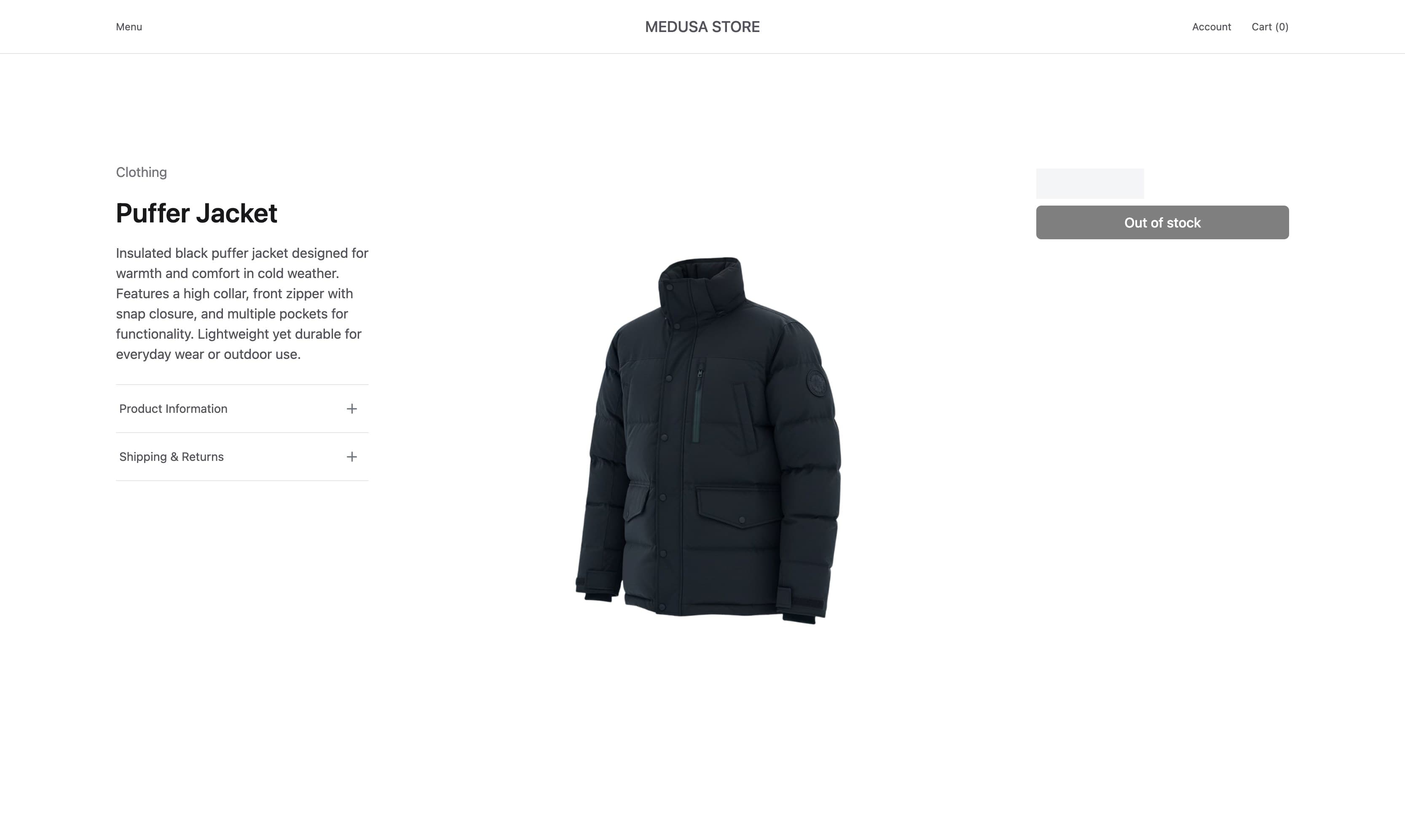
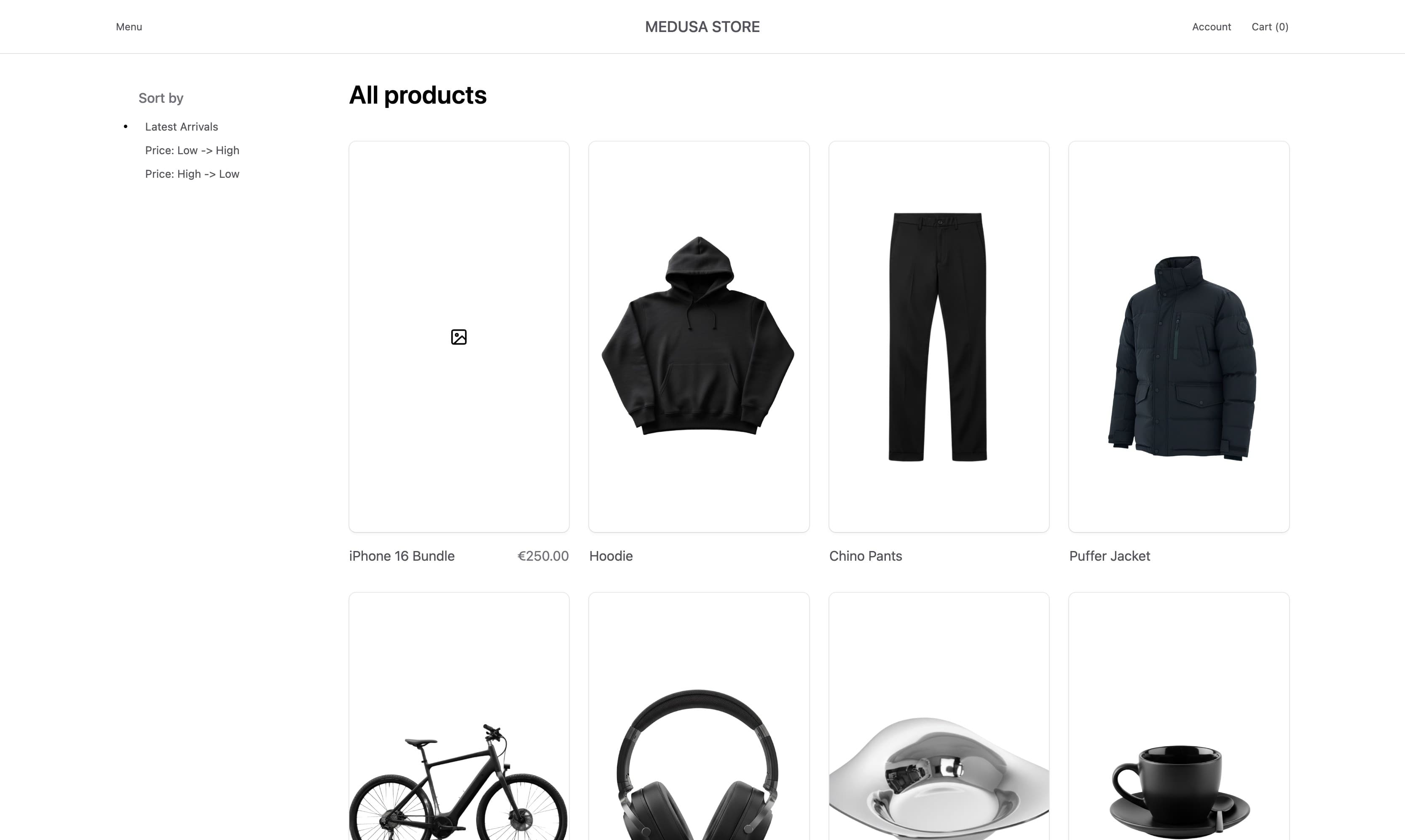
Medusa is an open-source, developer-first commerce platform built on Node.js and Next.js. Its modular architecture lets you compose exactly the cart, search, pricing, and checkout your business needs — and own every line of it. We connect it to NetSuite with Gemstone, our own connector, so NetSuite stays the system of record while the storefront stays composable and fast.

Gemstone connects Medusa and NetSuite fast. We can have a working example running in your NetSuite sandbox in 48 hours.

  • Composable by design — swap cart, search, CMS, payments, and the storefront independently.
  • A Next.js storefront tuned for sub-second performance and Core Web Vitals.
  • You own the code, the data model, and the roadmap — no platform lock-in.
  • NetSuite stays the system of record, connected through Gemstone, our integration.
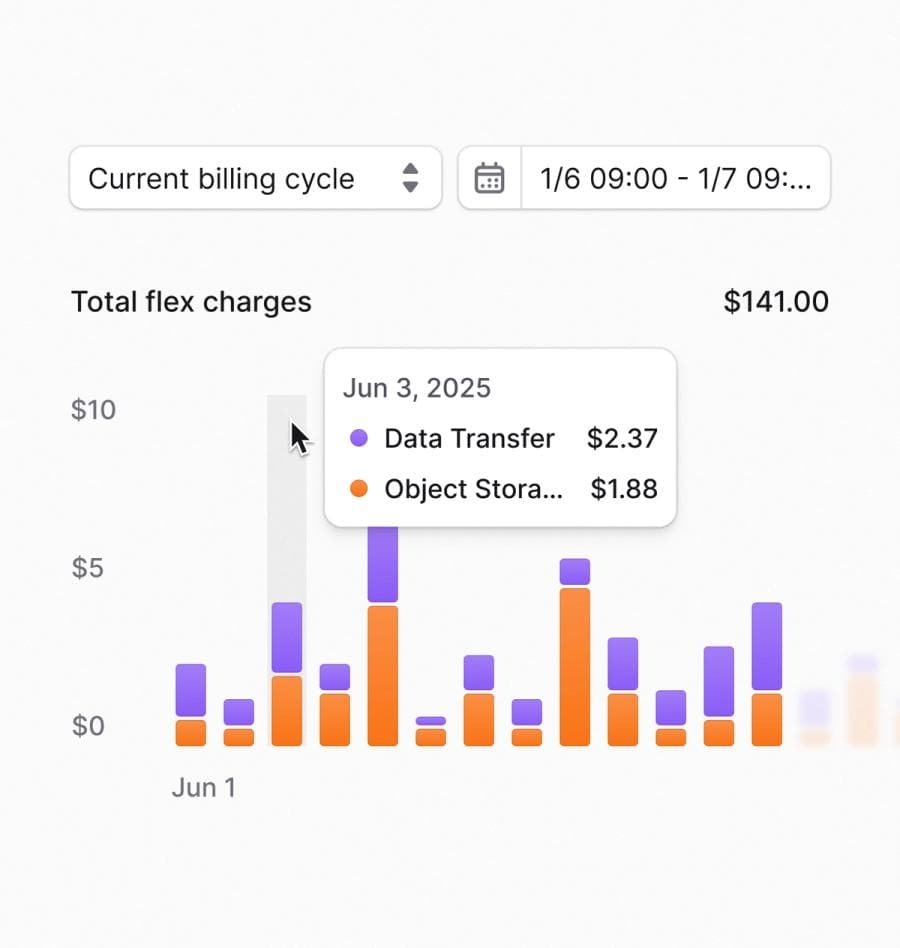
Medusa Cloud billing dashboard
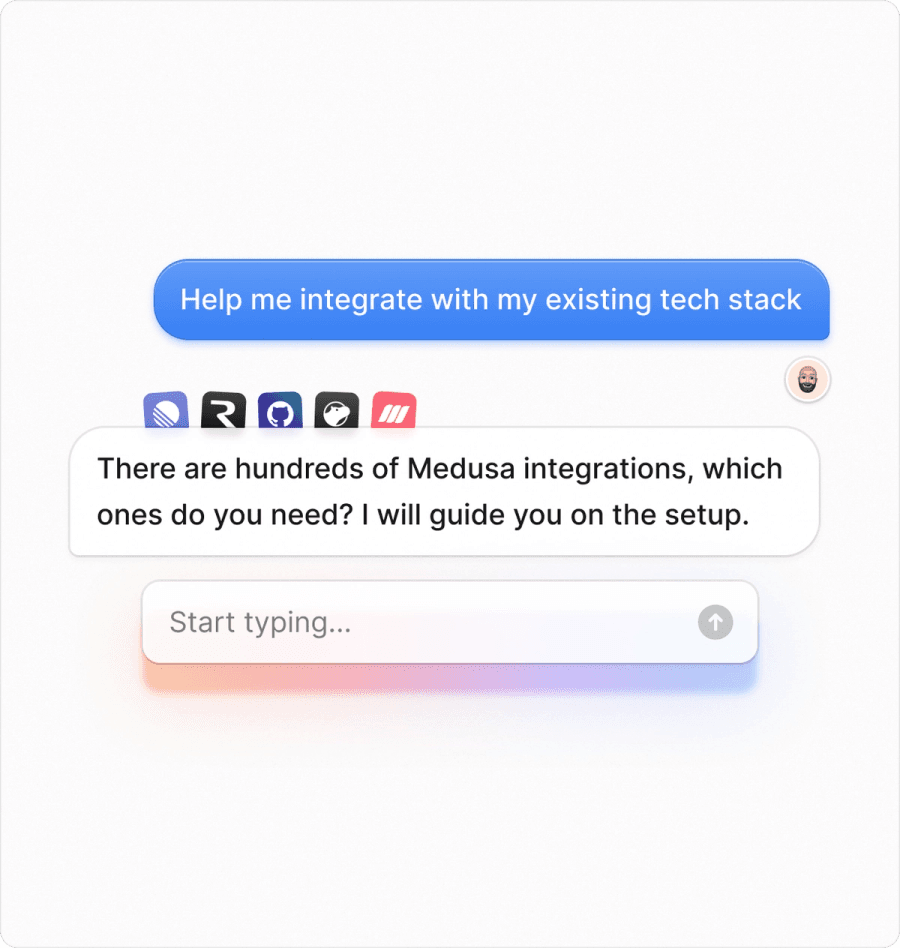
Medusa integrations assistant
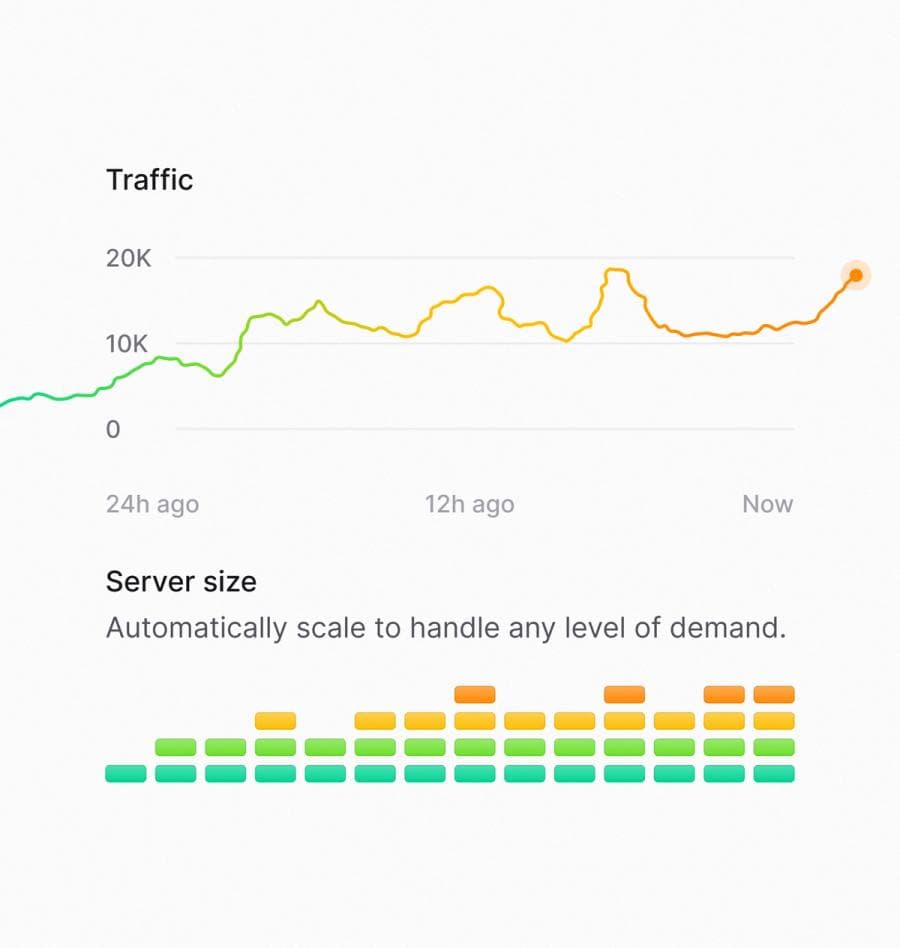
Medusa Cloud traffic and auto-scaling

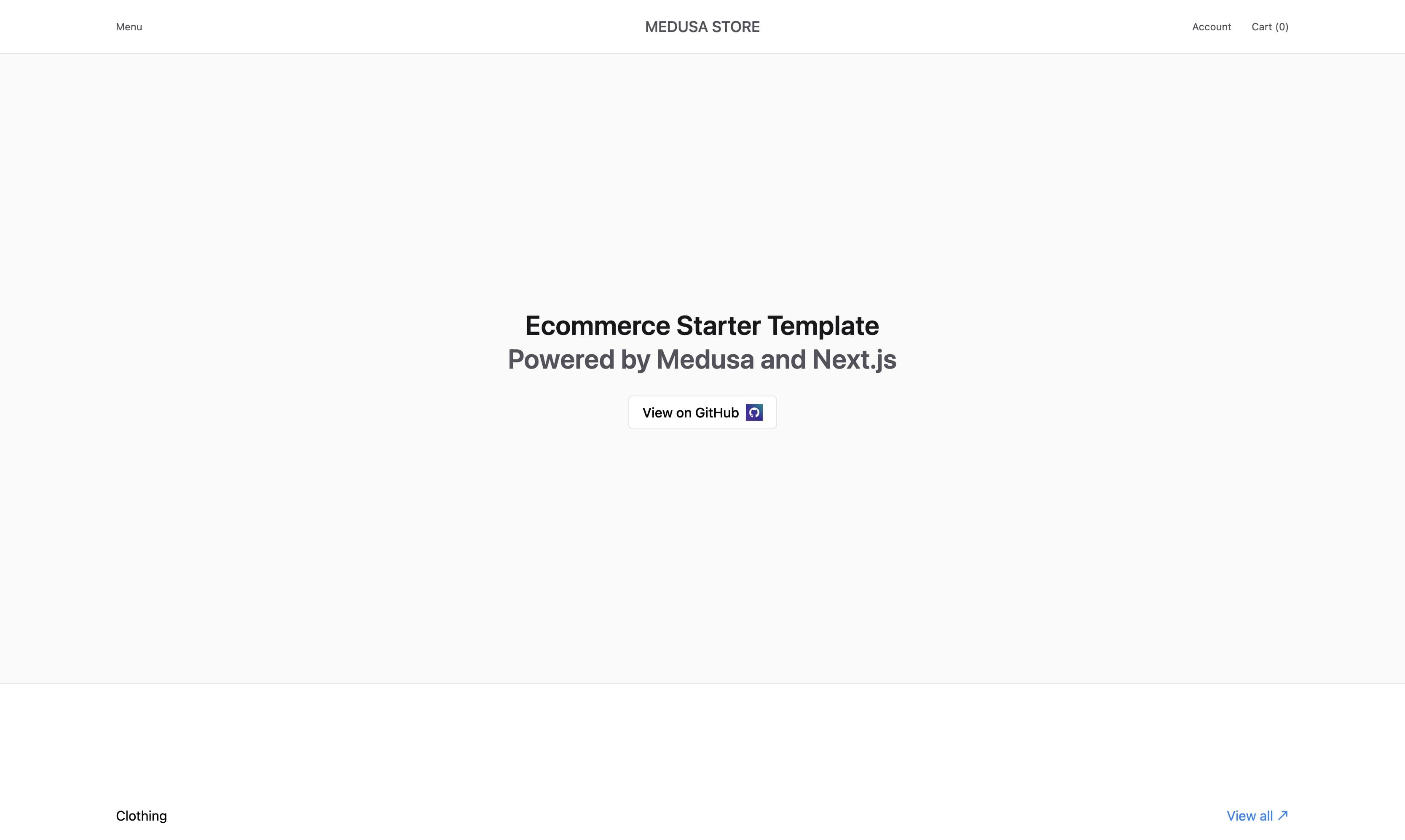
Medusa platform UI · medusajs.com

Headless Commerce Services

What we build

Headless architecture & path selection
01

Headless architecture & path selection

We assess your catalog, team, and roadmap, then recommend the right path — SuiteCommerce, Shopify + NetSuite, or Medusa — before any code is written.

Headless Capabilities

What a headless NetSuite build includes

The API layer, frontend, caching, search, B2B logic, and reliability work that turn NetSuite into a fast, decoupled storefront.

API & Integration Layer

  • SuiteTalk REST orchestration
  • SuiteQL bulk reads
  • Custom RESTlets
  • Backend-for-frontend (BFF)
  • Webhook & event sync

Frontend Stacks

  • React / Next.js
  • Shopify Hydrogen
  • Medusa storefront
  • SSR / SSG / ISR
  • Progressive web apps

Performance

  • Edge caching & CDN
  • Image optimization
  • Code splitting
  • Core Web Vitals tuning
  • Sub-second TTFB targets

Catalog & Search

  • Faceted navigation
  • Elasticsearch / search APIs
  • Matrix & configurable items
  • Real-time pricing
  • Inventory availability

Checkout & Cart

  • Headless checkout
  • Payment gateway integration
  • Tax & shipping logic
  • Guest & account flows
  • Order creation in NetSuite

B2B Capabilities

  • Account-specific pricing
  • Quote-to-order
  • Approval workflows
  • Credit limit enforcement
  • Multi-buyer hierarchies

Data & Sync

  • Real-time vs batched sync
  • Caching strategy
  • Idempotent writes
  • Rate-limit & backoff
  • SuiteCloud Plus concurrency

Reliability

  • Observability & logging
  • Error handling & retries
  • Staging & deploy pipeline
  • Release compatibility
  • Uptime monitoring
Why it works

Speed and control, without losing your source of truth

A decoupled storefront you can make fast, while NetSuite stays authoritative for inventory, pricing, and orders.

Get Started

Typical project timeline

10-16 weeks
Headless commerce architecture

Storefront performance target

Sub-second

Storefront paths we ship

3

Building NetSuite storefronts since

2017
About NetSuite headless commerce

Headless commerce with NetSuite, explained honestly

Headless commerce decouples the storefront's front end from the commerce and ERP logic behind it. With NetSuite, that means NetSuite stays the system of record — for inventory, pricing, customers, and orders — while a modern front end talks to it through an API layer. You get frontend freedom and speed without giving up a single source of truth. Below is how it actually works, and how to choose the right path.

Looking for the broader picture? This page is the deep-dive on going headless. If you're weighing how to connect any ERP to a store — native, iPaaS, custom, or headless — start with ERP ecommerce integration.

SuiteCommerce · Shopify+NetSuite · Medusa
3 paths
NetSuite stays authoritative
Source of truth
Building NetSuite storefronts
Since 2017
01

Is SuiteCommerce Advanced headless?

Not in the strict sense — and that's not a knock on it. SuiteCommerce Advanced (SCA) is a coupled application: the front end and the NetSuite back end ship together as one SuiteScript-based codebase. That coupling is exactly what gives SCA its native data access and fast time-to-launch, which is why it's the right call for plenty of businesses.

Going headless with NetSuite means a different architecture — an API or backend-for-frontend (BFF) layer in front of NetSuite, with the storefront rendered as a separate application. It buys frontend freedom and performance headroom in exchange for more moving parts. Neither is universally better; it depends on your needs. For the platform basics, see what SuiteCommerce is.

02

The three ways to go headless with NetSuite

Most teams land on one of three paths. SuiteCommerce / SCA stays Oracle-native and launches fastest. Shopify (Hydrogen) + NetSuite pairs a best-in-class storefront with NetSuite as ERP and order management — the most common real-world combination. Medusa + NetSuite (built on our Gemstone connector) gives you a fully composable, code-owned stack for maximum control — and with Gemstone we can stand up a working example in your NetSuite sandbox in 48 hours.

The right choice depends on frontend flexibility, time-to-launch, and who owns the code. We help you compare them honestly — see the SuiteCommerce vs Shopify guide and SuiteCommerce alternatives for B2B.

03

How we help you choose — and run the numbers

Picking a path is a business decision, not just a technical one. We model the total cost of ownership and the trade-offs across all three options for your catalog, team, and roadmap — license and platform fees, build effort, ongoing maintenance, and the performance and conversion upside. You get an honest recommendation, backed by numbers, before anyone writes code.

Because we build and support SuiteCommerce, Shopify + NetSuite, and Medusa, the recommendation isn't tied to what we'd rather sell. Sometimes the answer is to stay on SuiteCommerce and tune it — and we'll tell you so. That's the difference between a partner who helps you decide and a vendor selling one platform.

04

How NetSuite fits behind a headless storefront

The pattern is simple: NetSuite is the system of record, and the storefront reads and writes through an API or middleware layer. NetSuite exposes data via SuiteTalk REST, SuiteQL (for efficient bulk reads), and custom RESTlets. A BFF layer shapes that data for the front end and handles authentication, so the storefront never depends on NetSuite being fast on every request.

The decision that makes or breaks a build is what's real-time versus cached. Catalog, descriptions, and most pricing can be cached and revalidated; stock levels and order creation need fresher paths. Get that boundary right and the storefront stays fast while NetSuite stays accurate.

05

Performance: winning sub-second and Core Web Vitals

Going headless enables speed — it doesn't guarantee it. The gains come from static generation, edge caching, image optimization, and code splitting that a coupled storefront can't easily do. A poorly built headless site can be slower than a tuned SuiteCommerce one, so the engineering matters more than the label.

NetSuite's API concurrency and payload limits are part of the design, not an afterthought: cache aggressively, read in bulk with SuiteQL, batch writes, and back off on rate-limited calls. Performance work is its own discipline — see our performance optimization service and SuiteCommerce SEO guide.

06

B2B vs B2C on NetSuite

B2B on NetSuite means contract pricing, account-specific catalogs, approval workflows, and credit terms — all of which live in NetSuite and must stay accurate. A headless front end can deliver a fast, tailored experience per account while NetSuite enforces the rules. B2C benefits more from storefront polish and speed.

Many companies serve both from one NetSuite backend. If a portal is the priority, start with our NetSuite B2B portal service; if you sell on Shopify, see Shopify NetSuite integration.

07

What drives cost and timeline

There's no flat price. Cost and timeline scale with the path you choose, catalog and sync complexity, the depth of B2B rules, and how custom the front end is. NetSuite licensing is separate and paid to Oracle. We don't publish fixed numbers because a realistic figure depends on your scope.

A focused Shopify-plus-NetSuite storefront can go live in a couple of months; a fully custom Medusa or React build with deep B2B logic takes longer. After a short discovery, we give you a scoped estimate — not a generic range. Weighing platforms first? Read best ERP for Shopify.

08

Common mistakes and anti-patterns

The failures we get called in to fix repeat themselves: treating NetSuite as a real-time read API on every page view, no caching layer, over-syncing data that rarely changes, ignoring concurrency limits until traffic spikes, and rebuilding checkout from scratch when a proven path exists.

Headless is powerful, but it adds moving parts. If your needs are simple, a well-tuned SuiteCommerce site may be the better call — and we'll tell you so. Start with the full NetSuite ecommerce guide if you're early in the decision.

Featured Work

NetSuite storefronts that delivered results

Performance overhauls, B2B builds, and Shopify-NetSuite stores. See what we've shipped for other teams running on NetSuite.

Process

How we work

A structured path from decision to launch. Total timeline: 10-16 weeks for most headless builds.

  1. 1

    Discovery & path selection

    We audit your catalog, NetSuite setup, and goals, then recommend SuiteCommerce, Shopify + NetSuite, or Medusa. Duration: 1-2 weeks.

  2. 2

    Architecture & API design

    We design the data flow, API/BFF layer, caching, and sync model — and confirm it fits NetSuite's limits before building. Duration: 2-3 weeks.

  3. 3

    Build the integration & storefront

    We build the API layer and the headless front end in parallel, with NetSuite as the system of record. Duration: 6-10 weeks.

  4. 4

    Testing & performance tuning

    Cross-device QA, load testing against NetSuite's limits, and Core Web Vitals tuning before launch. Duration: 1-2 weeks.

  5. 5

    Launch, monitor, optimize

    Zero-downtime cutover, observability, and a hypercare window. We don't disappear after go-live.

Investment

What drives the cost of a headless build

We don't publish fixed prices because a realistic figure depends on your scope. After discovery, we provide a detailed, scoped estimate.

Factors that affect cost:

  • Path chosen (SuiteCommerce, Shopify + NetSuite, or Medusa)
  • Catalog size and product/pricing complexity
  • Depth of B2B rules (contract pricing, quotes, approvals)
  • NetSuite integrations and real-time sync requirements
  • Frontend scope, design, and custom features

What's included:

  • Discovery and path-selection workshop
  • API / backend-for-frontend layer
  • Headless storefront build
  • Caching and performance tuning
  • Testing and load validation
  • 30-day post-launch hypercare

Not included: NetSuite and SuiteCommerce license fees (paid to Oracle), third-party platform subscriptions (Shopify, CDN, search), and ongoing support beyond 30 days (available as a separate retainer).

Get a scoped estimate

Ready to decouple your storefront?

Book a call with our team. We'll review your NetSuite setup, talk through the three paths, and outline what your build would involve.

What happens next:

  1. 1We'll respond within 24 hours to schedule a call
  2. 2On the call, we'll review your setup and recommend a path
  3. 3If there's a fit, we'll provide a scoped proposal

No pressure. Just an honest conversation about your storefront and whether headless is the right move.

Tell us about your project

We respond within 24 hours.

FAQ

What teams ask before going headless

01

What is NetSuite headless commerce?

+

Headless commerce means decoupling your storefront's front end from the commerce and ERP logic behind it. With NetSuite headless commerce, NetSuite stays the system of record for products, inventory, pricing, customers, and orders, while a modern front end — built in React, Next.js, or a platform like Shopify or Medusa — talks to it through an API layer. You get frontend freedom without giving up a single source of truth.

02

Is SuiteCommerce Advanced headless?

+

Not really. SuiteCommerce Advanced is a coupled application: the front end and the NetSuite back end ship as one SuiteScript-based monolith, which is what gives it native data access but also limits frontend flexibility. You can build a genuinely headless setup with NetSuite by putting an API or backend-for-frontend layer in front of it and rendering the storefront separately. That is a different architecture than stock SCA.

03

Can I keep NetSuite as the system of record with a headless storefront?

+

Yes — that is the entire point. In a headless build, NetSuite remains the authoritative source for inventory, pricing, customer records, and orders. The decoupled front end reads and writes through an API or middleware layer, with caching to stay fast and stay within NetSuite's rate limits. Your finance and operations teams keep working in NetSuite exactly as they do today.

04

Headless vs traditional SuiteCommerce — which should I choose?

+

Traditional SuiteCommerce launches faster and keeps everything inside NetSuite, which suits teams that want Oracle-native simplicity. Headless makes sense when you need a best-in-class storefront experience, sub-second performance, a custom frontend stack, or omnichannel delivery from one backend. The trade-off is more moving parts and engineering. We help you decide honestly based on your catalog, team, and roadmap — not a default answer.

05

What's the difference between SuiteCommerce, Shopify + NetSuite, and Medusa + NetSuite?

+

All three keep NetSuite as the system of record. SuiteCommerce is Oracle-native and fastest to launch. Shopify with NetSuite pairs a best-in-class storefront with NetSuite as ERP and order management — the most common real-world combo. Medusa with NetSuite (our Gemstone connector) gives you a fully composable, code-owned stack for maximum control. The right pick depends on flexibility, time-to-launch, and who owns the code.

06

How do you handle NetSuite's API rate limits on a headless store?

+

NetSuite enforces concurrency and payload limits, so a headless storefront should never call it on every page view. We cache catalog and pricing data at the edge, use SuiteQL for efficient bulk reads, batch writes, and apply backoff on rate-limited calls. Higher-throughput stores use SuiteCloud Plus concurrency and a middleware layer so the storefront stays fast even during traffic spikes.

07

Does going headless improve site speed and Core Web Vitals?

+

It can, significantly — but only when it's built right. A decoupled front end lets you use static generation, edge caching, image optimization, and code splitting that a coupled storefront can't easily do. The gains come from architecture and disciplined caching, not from the word 'headless'. A poorly built headless site can be slower than a tuned SuiteCommerce one, so the engineering matters more than the label.

08

Is headless commerce worth it for a B2B business on NetSuite?

+

Often, yes. B2B on NetSuite involves contract pricing, account-specific catalogs, approval workflows, and credit terms — all of which live in NetSuite and must stay accurate. A headless front end can deliver a fast, tailored buying experience per account while NetSuite enforces the rules. For simpler B2B, SuiteCommerce may be enough; for complex portals or custom UX, headless tends to pay off.

09

How long does a headless NetSuite build take?

+

It depends on the path and scope. A focused Shopify-plus-NetSuite storefront can go live in a couple of months; a fully custom Medusa or React build with deep B2B logic takes longer. The biggest timeline drivers are catalog complexity, the number of NetSuite integrations, B2B rules, and frontend scope. We give you a scoped timeline after a short discovery, not a generic estimate.

10

How much does a NetSuite headless commerce project cost?

+

There's no single price — cost scales with the path you choose, catalog and sync complexity, B2B requirements, and how custom the front end is. NetSuite licensing is separate and paid to Oracle. We don't publish fixed numbers because a realistic figure depends on your scope; after a discovery call we give you a detailed, scoped estimate. Book a call and we'll walk through the drivers.

Still have questions? We'd love to hear from you!

Talk to a NetSuite specialist
Get in Touch